







Search Results for: Crema Stirring
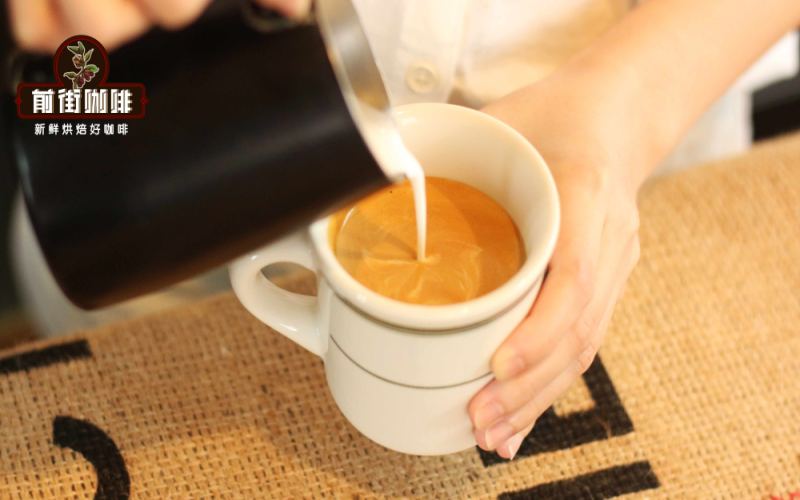
How Is Stirred Integration Different from Pre-Integration? An Analysis of Two Integration Techniques Every Latte Art Enthusiast Must Know
Before creating latte art, there is an often-overlooked yet crucial preparatory step—incorporation. The quality of incorporation directly determines whether the latte art pattern is neat and beautiful, as well as whether the flavor is balanced and unified when the coffee is tasted. For milk coffees that require milk foam, mastering the correct incorporation method can greatly reduce the difficulty of operation. This article will focus on two mainstream incorporation techniques: the classic stirring incorporation, and the recently emerging pre-incorporation. The former suits most scenarios but demands a high level of skill proficiency, while the latter can effectively handle tricky situations such as poor crema quality or latte art in takeaway cups. The article will also combine Front Street Coffee's espresso bean recommendations to explain the impact of coffee bean selection on incorporation and latte art, helping coffee enthusiasts flexibly choose the appropriate incorporation method based on actual conditions. [more…]

Coffee Tasting | Espresso, Latte, Dirty Coffee — What's the Etiquette for Drinking Them? Why Do Some Coffees Need Stirring While Others Are Meant to Be Gulped?
Although you can drink coffee however you like, doing so can easily cause you to miss out on some of its distinctive flavors. The character of a coffee lies not only in its taste but also in the experience it brings when you drink it—just like a Dirty. If you stir it before drinking, it is almost no different from [more…]

Espresso Beginner's Guide: A Complete Analysis from Origins and Evolution to Tasting Steps
Espresso is both unfamiliar and full of challenges for most people, and the intense bitterness brought by its high concentration often deters beginners. However, as long as you master the correct way to taste it, espresso can also reveal rich and captivating layers of flavor. From the perspective of Front Street Coffee, this article systematically sorts out the historical origins and evolution of espresso, explains in detail the three major tasting dimensions of aroma, mouthfeel, and finish, and provides a complete set of operating steps from rinsing the mouth with ice water and stirring the crema to taking a large sip, helping coffee lovers truly appreciate the unique charm of this classic Italian beverage. [more…]

How should you drink espresso to get it just right? A full breakdown of when to stir and when to take big sips
When a cup of coffee is placed in front of you, should you stir it or just take a big gulp? There is no uniform answer to this question—the key lies in the drink's own design intent. In this article, Front Street Coffee sorts out two categories of drinking methods: espresso, iced latte, flavored coffee, and the like need to be stirred before drinking because of their layers, otherwise they will either taste thin, or one sip will be all syrup; while Dirty, Con Panna, hot latte, cappuccino, and espresso-derived small-cup products emphasize not stirring and taking a big mouthful, so that you can simultaneously experience the double contrast between espresso and milk in temperature and flavor, or take in the milk foam and cream along with it. The article also explains the principle behind how the layers form, and the aromatic and sweet lingering aftertaste brought by the retronasal breath after swallowing a big mouthful. Finally, Front Street also reminds us that there is no fixed rule for how to drink—just follow your own preference. [more…]

How should espresso be tasted? Breaking down the flavor code of Italian coffee, from crema and coffee oils to solubles
Many people, when first encountering espresso, wonder: what exactly is in this bitter little cup? In fact, the pleasure of espresso lies in its structure—the crema on top, the coffee oils clinging to it, and the soluble substances in the coffee beans together create a rich, layered experience. Starting from the extraction practices at Front Street Coffee, this article breaks down the three major components of espresso and introduces the recipe, roasting curve, and extraction parameters of the Warm Sun blend, before offering tasting suggestions such as stirring and cooling, to help coffee lovers truly understand this cup of Italian coffee. [more…]

Why Does Espresso Crema Clump and Harden? Don't Ignore These Details When Extracting Espresso
Many friends have told Front Street Coffee that when making milk coffee, although the espresso crema is thick, it is as stiff as whipped cream and lacks fluidity. This kind of crema not only tastes bad, but also becomes an obstacle when doing latte art. In fact, clumping and hardening of crema is usually closely related to timing and material selection. This article starts from actual cases received by Front Street Coffee and analyzes several common factors that cause espresso crema to harden, including leaving it too long after extraction, and material issues such as coffee beans and grinding, and provides practical solutions such as stirring to restore it, helping you grasp the golden window for using espresso and make smooth, delicious milk coffee. [more…]
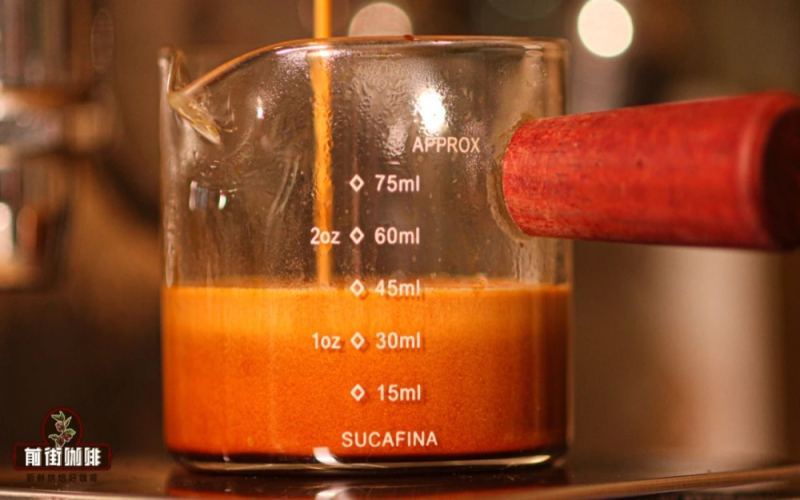
How do you drink espresso the right way? A complete tasting guide from crema and brew ratio to flavor
Espresso is the base for many milk coffees, but many people wonder whether it can be drunk on its own and what exactly there is to savor in it. This article, from the perspective of Front Street Coffee, first breaks down the three main components of espresso—crema, coffee oils, and soluble substances—and then explains how 9-bar high-pressure extraction creates the golden crema layer. It then shares the recipe ratio, roasting curve, and extraction parameters of Front Street Coffee's Warm Sun blend, and offers tasting suggestions such as stirring and letting it cool, helping you understand that what is truly worth appreciating in espresso is the mouthfeel, aroma, aftertaste, and a few distinct flavor notes, not just bitterness. [more…]

The Correct Way to Drink Espresso: A Complete Guide from Beginner to Addict
Espresso has always been the most misunderstood drink in coffee shops. On social media, many people are drawn in by the cool image of downing one in a single gulp, order a cup eagerly, and then get caught off guard by the intense bitterness. In fact, the problem isn't that espresso itself tastes bad—it's that most people haven't yet mastered the correct way to drink it. Front Street Coffee has witnessed too many similar scenes in its daily store operations, so it has specially put together this espresso tasting guide. From stirring the crema to drinking it in stages, from cleansing the palate with ice water to closing your mouth to savor the aroma, with just a few simple steps, you'll have a chance to truly appreciate the captivating layers of espresso. [more…]
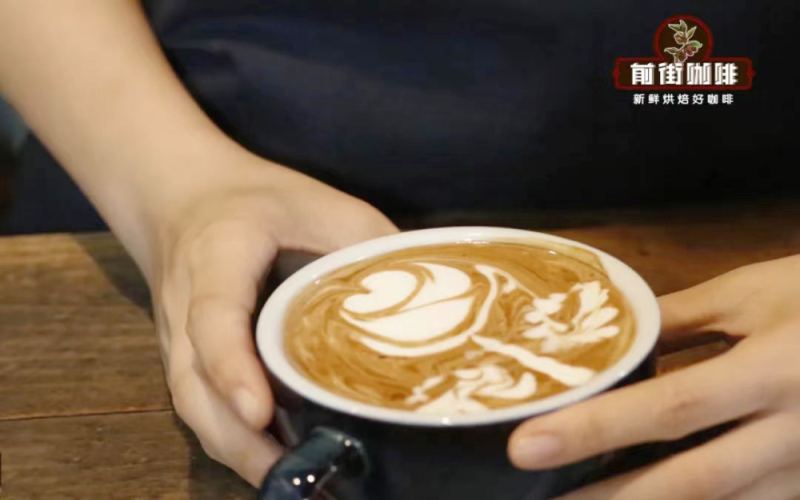
A Complete Guide to Latte Art Patterns and Milk Selection: A Practical Guide from Pouring Technique to a Clean Surface
Many coffee enthusiasts, when practicing latte art, tend to focus only on whether the white pattern looks good, while overlooking whether the surface of the liquid is clean. In fact, an excellent latte art piece requires not only a neat pattern, but also a well-integrated state between the brown crema and the milk in the background. If the integration is insufficient, the surface will show an uneven "dirty" look, and it may even affect the taste. This article will systematically explain how to make the surface of latte art clean and tidy from three dimensions: the quality of the milk foam and crema, the integration technique, and the pouring height, and will also answer what kind of milk should be chosen for latte art. Drawing on practical experience, Front Street Coffee provides you with actionable improvement solutions to help you make beautiful and delicious lattes at home. [more…]
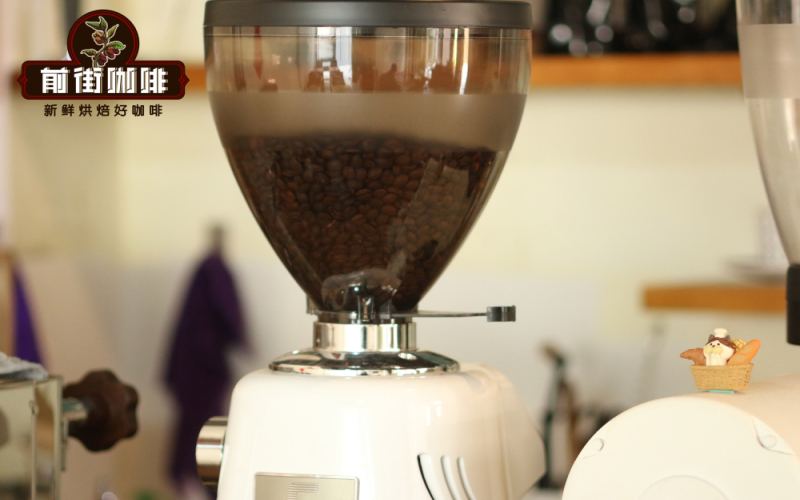
A Detailed Guide to Espresso Coffee Dose and Brew Ratio: How to Pull the Ideal Espresso with 20g of Coffee
To craft a qualified espresso, the dosage of coffee grounds and the grind size are the key determinants of success. Unlike pour-over or cold brew, espresso uses pressurized short-time extraction, where any slight deviation is magnified. This article centers on the core question of how much coffee liquid to extract from 20g of grounds, providing a detailed explanation of determining the grind size range, choosing the coffee-to-liquid ratio, judging flow rate and flavor, and the proper way to taste espresso. It also recommends Front Street Coffee's classic espresso blend to help enthusiasts recreate a café-level espresso experience at home. [more…]
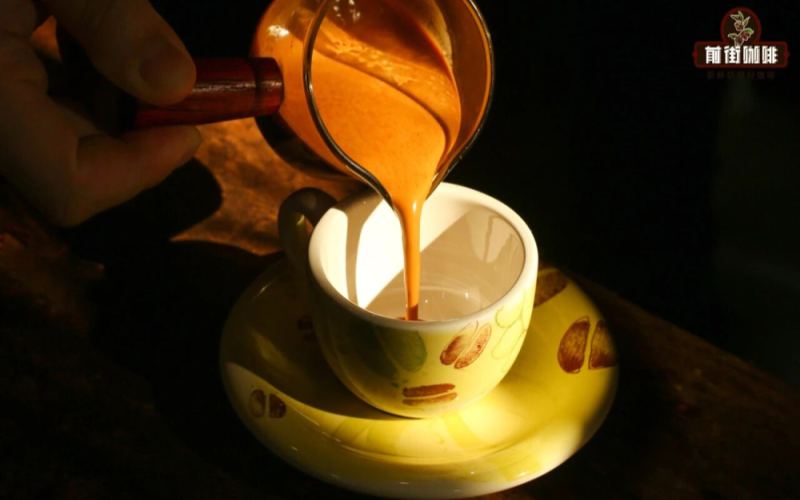
The correct way to taste espresso: how to drink out its layers, and how it really differs from Americano
Espresso always carries a sense of drama on social media—some people down it in one gulp with a look of pure bliss, while others take a single sip and immediately frown. Why does the same cup of coffee trigger such polarizing reactions? The truth is, espresso itself is not just bitter; its aroma and layers are far richer than you might imagine—it's just that the high concentration makes the bitterness too prominent, masking the flavors underneath. Starting from real scenes at Front Street Coffee locations, this article shares practical tasting techniques such as stirring the crema, drinking in stages, and pairing with ice water, while also clarifying the essential difference between espresso and Americano, helping you truly understand this little cup of Italian coffee. [more…]
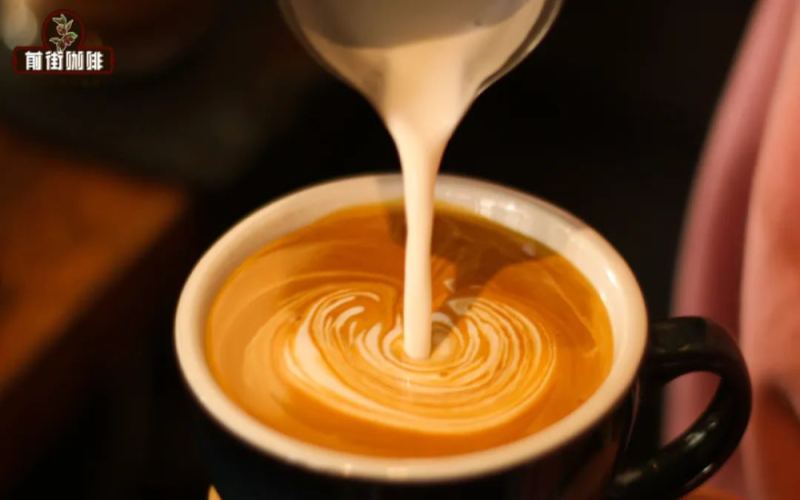
Espresso Coffee Tasting Guide: A Analysis of the Correct Ways to Drink Espresso, Dirty Coffee, and Thick-Foam Milk Coffee
Different types of espresso coffee, due to differences in their brewing techniques and presentation methods, also have their own particular ways of drinking. If tasted improperly, it is very likely that one cannot fully appreciate the unique flavor of the coffee. Front Street Coffee today will share the corresponding correct ways to drink thick milk foam milk coffee, layered coffee, Dirty, and other different types. From stirring the espresso to taking a big gulp of Dirty, every detail affects the final taste experience. Only by mastering these techniques can the characteristics of each cup of coffee be fully released. [more…]
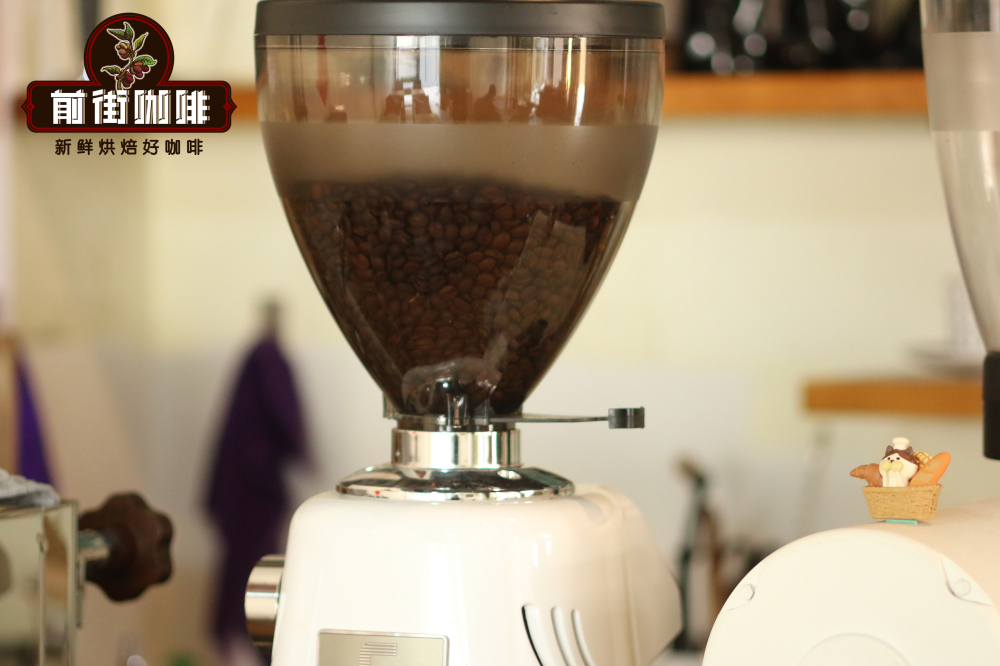
Espresso Brew Ratio | How Much Coffee Grounds for One Espresso Shot? How to Find the Right Grind Size for Espresso Beans?
How much coffee powder does an espresso need - How to drink espresso powder: How much coffee liquid is extracted from 20g of powder? When brewing coffee, we all know that the coarseness of the grind is very important. If you're not careful and the grind isn't right or is uneven, the coffee can easily be under-extracted or over-extracted. Compared with pour-over, cold brew, and other methods, espresso [more…]
The correct way to drink espresso | How much coffee powder is used to make an espresso? How do you determine the grind setting for espresso beans?
When brewing coffee, we all know that the coarseness of the grind is very important. If you're not careful and don't find the right grind setting, or if the grind is uneven, the coffee can easily end up under-extracted or over-extracted. Compared with methods like pour-over and cold brew, espresso grounds are ground much finer and require more precise adjustment to get the taste of the espresso just right. [more…]
Specialty Espresso Beans Recommendation | What's the Difference in Flavor Between Espresso and Americano? Which Espresso Beans Have Rich Crema and Are Good for Latte Art?
Did you know? Espresso has a rich mouthfeel and intense flavor, which often makes it hard for people to accept, but once you get used to it, you actually find it has a unique charm. Moreover, espresso is also a coffee that tests coffee quality and barista skill. Since espresso is loved by so many people [more…]

Espresso Tasting Guide: What Are You Actually Drinking, and Why Is It Always Served with Sparkling Water?
In many coffee shops, espresso does not appear on the visible menu, and first-time visitors are often unfamiliar with it. This article revolves around two core questions: what exactly are you drinking when you drink a cup of espresso? And why is it always served with a glass of ice water? The article compares espresso with pour-over, analyzing its high-concentration characteristics, the unique mouthfeel brought by Crema, and key tasting points such as aroma, aftertaste, cleanliness, and balance. It then breaks down step by step the five-step drinking method: rinsing the mouth to awaken the taste buds, stirring to homogenize, sipping in small separate mouthfuls, closing the mouth and exhaling through the nose, and rinsing with clear water. Finally, it includes an introduction to Front Street Coffee's own Sunflower Warm Sun blend beans, taking you through the complete charm of this Italian classic. [more…]
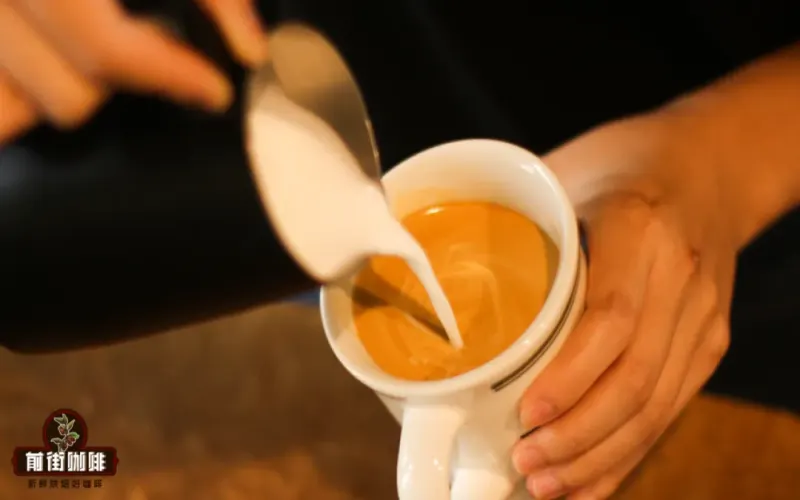
Analysis of Four Common Mistakes in the Coffee Latte Art Pouring Phase: How Flow Distance, Flow Rate, and Crema Condition Affect the Pattern
When creating latte art, integration is a preparatory step just as important as the bloom in pour-over coffee. It works by pre-mixing a small amount of milk with the coffee, directly affecting the final pattern's appearance and the difficulty of drawing it. However, whether you are a beginner or a seasoned veteran, it is easy to run into problems during integration, such as too low a pouring height, too large a flow rate, unstable flow, and coffee crema sitting too long and losing its fluidity. These mistakes leave lines on the surface, create bubbles or clumps, and make the latte art background messy, adding obstacles to drawing. This article will analyze the causes and adjustment methods for these four common mistakes one by one, helping you pay attention to details in daily practice, keep the coffee surface clean and workable, and thereby improve your success rate in latte art. [more…]
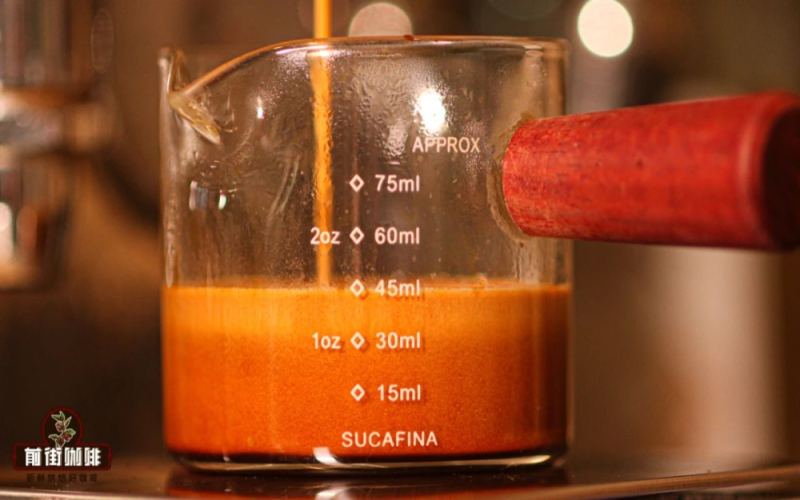
The Correct Way to Drink Espresso | What Is Espresso Made Of? What Is the Standard Coffee-to-Water Ratio for Pulling a Shot?
Espresso is surely familiar to everyone; the coffee base for many milk-based coffee drinks is made by extracting espresso under pressure from an espresso machine and then adding milk. Many beginners have also asked Front Street Coffee (FrontStreet Coffee) whether espresso can be drunk directly. [more…]
Analysis of Four Common Mistakes in the Milk Integration Stage of Latte Art: A Complete Guide to Pour Height, Flow Rate, and Crema Condition
When making a latte, the integration step before latte art is often overlooked, yet it is just as crucial as the bloom in pour-over coffee. Improper integration directly affects the aesthetics of the pattern and the difficulty of drawing it. This article summarizes the four most common mistakes made by beginners and advanced players during integration: too low a pouring distance, too high a flow rate, unstable flow, and espresso crema left sitting too long and losing its fluidity. At the same time, Front Street Coffee offers recommendations for classic blend and commercial blend beans to help you achieve ideal crema and flavor. Mastering these key points can effectively improve your latte art success rate and overall coffee performance. [more…]
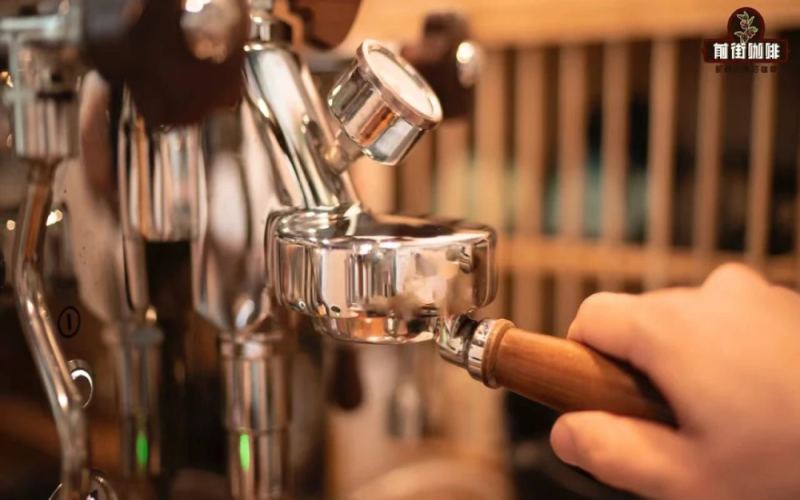
How to Make Americano Black Coffee | Is There a Big Difference in Flavor and Mouthfeel Between Espresso and Americano? Recommended Espresso Beans with Rich Crema
For more specialty coffee knowledge, please follow: Front Street Coffee (Frontsteet Coffee). Did you know? Espresso has a rich mouthfeel and intense flavor, which often makes it hard for people to accept, but once you get used to it, you actually find it has a unique charm. Moreover, espresso [more…]